Key Takeaways
Improving energy efficiency is not just a technical upgrade — it's a business-critical transformation. Between volatile prices, evolving regulations and ESG targets, commercial and industrial buildings must embed energy performance into every layer of their infrastructure.
- Energy data, reliability and supervision are the foundation for sustainable, compliant operations.
- ESCOs, Facility Managers and designers need smart, integrated systems to manage usage and availability.
- Socomec provides proven solutions to monitor, optimise and future-proof building energy performance.
Accelerated energy performance for cost-efficient and smart-ready buildings
Improving the energy efficiency of a buildings is now a strategic priority for commercial and industrial operators. Rising energy prices, regulatory pressure, ESG commitments and the need for resilient infrastructures make energy performance and energy security a decisive factors for ESCOs, Facility Managers and architects from the building sector.
Socomec supports the transformation of energy systems for buildings through reliable measurement, supervision, and optimisation of electrical installations, helping you reduce consumption, improve availability and achieve long-term performance goals.
Commercial and industrial buildings are undergoing a profound transformation. Their demand for energy is increasing, their operating constraints are tightening, and regulations require unprecedented levels of transparency and performance. For ESCOs, Facility Managers, building owners, architects and even local authorities, optimising the energy performance of buildings has become a strategic priority.
• Energy costs and operational pressures
• The impact of new technologies inside buildings
• Industrial transformation and increasing electrical demand
• Regulatory pressure and mandatory monitoring
• A new reality for building energy management
Regulations and energy compliance for buildings
Energy regulations across Europe require the buildings sector to monitor, understand and reduce energy consumption. Compliance is no longer administrative: it is a driver for performance, transparency and operational excellence.
EED for buildings
The EED sets targets for reducing final energy consumption across the EU. It requires member states to deploy efficiency measures and for organisations to monitor, report and improve their energy performance.
Energy Performance of Buildings Directive (EPBD)
The EPBD defines the minimum energy performance requirements for new and existing buildings and accelerates the transition towards zero-emission buildings.
Measuring Instruments Directive (MID)
The MID sets accuracy and compliance regulations for metering devices used for billing and performance monitoring trough certified technologies within the buildings.
Corporate Sustainability Reporting Directive (CSRD)
The CSRD requires buildings to disclose energy performance data, efficiency actions, carbon emissions and environmental impact through auditable systems and reliable measurements.
GRI and IFRS sustainability standards and regulations
These international reporting frameworks structure how real estate portfolios communicate their environmental performance. They require standardised metrics, transparent methodologies and comparable energy indicators across assets.
From energy compliance to energy efficiency in buildings
Compliance is not only about meeting standards. It is one of the most effective ways to accelerate building energy performance and secure long-term operational resilience.
For energy service companies (ESCO), compliance provides the transparency and data reliability required for performance contracts.
For those responsible for the management of facilities and energy, it ensures safe, predictable and efficient operation.
Achieve performance in green buildings trough measurement and monitoring
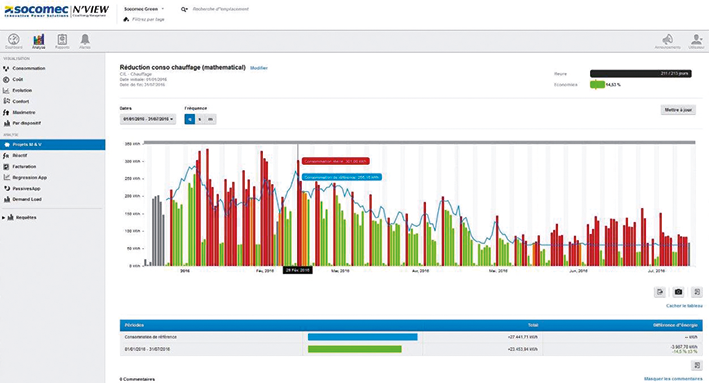
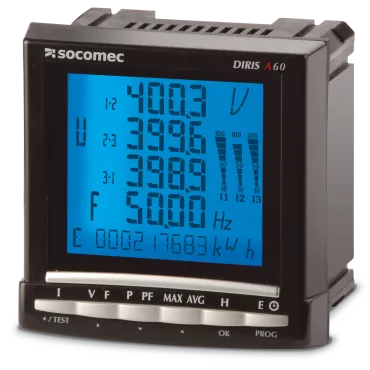
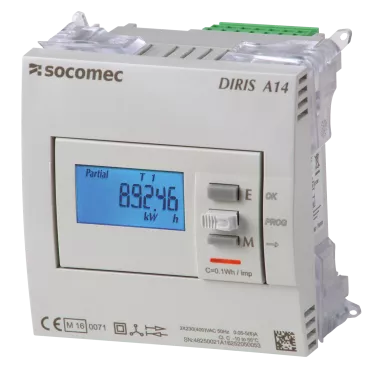
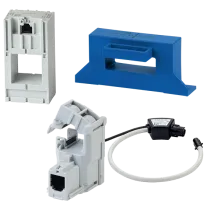
Measurement is the foundation of any energy performance strategy. It enables precise, trustworthy and actionable insights.
It provides:
- multi-energy metering of electricity
- granular measurement of zones, loads and critical equipment
- detection of abnormal consumption
- reliable data for the tertiary decree and energy audits
- accurate allocation for multi-tenant buildings
- KPIs that allow real performance tracking
Measurement makes energy savings or losses visible and creates the basis for informed decision-making.



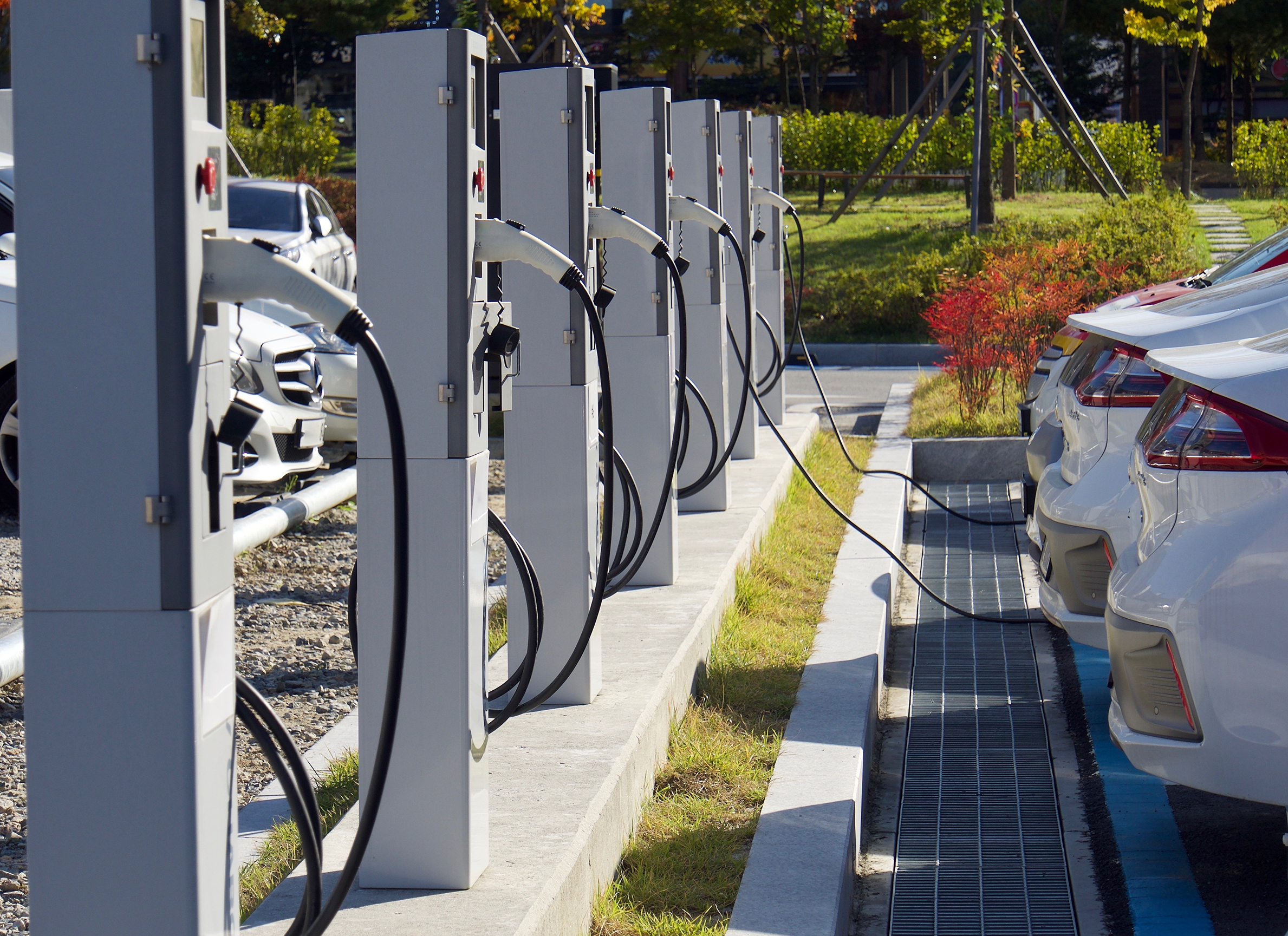
Enable renewables and EV charging in green buildings
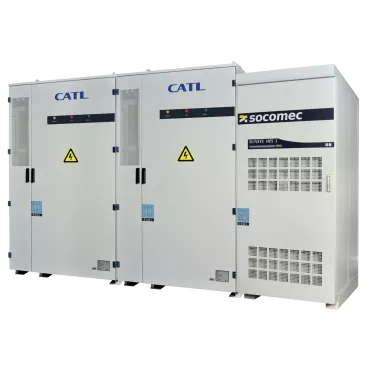
Energy storage strengthens building energy performance and supports the integration of renewable sources.
It helps you:
- increase the share of self-consumed renewable energy
- reduce peak demand charges
- balance loads and stabilise the electrical infrastructure
- support EV charging strategies
- reinforce business continuity for critical loads
Storage makes your building more flexible, resilient and cost-efficient.


Green building performance: increasing the energy efficiency of your electrical installations
Improving energy performance requires coordinated action on distribution, operation and maintenance.
Energy saving solutions and performance axes by building type
Energy performance priorities differ across building categories and user roles. Socomec supports:
- offices and commercial buildings
- logistics and retail infrastructure
- healthcare and education facilities
- industrial sites
- public buildings and local authorities
Each environment requires a tailored strategy combining measurement, resilience, supervision and performance governance.
Smart building energy efficiency - tested and proven by Socomec
An example of energy saving solutions for flexible and smart buildings
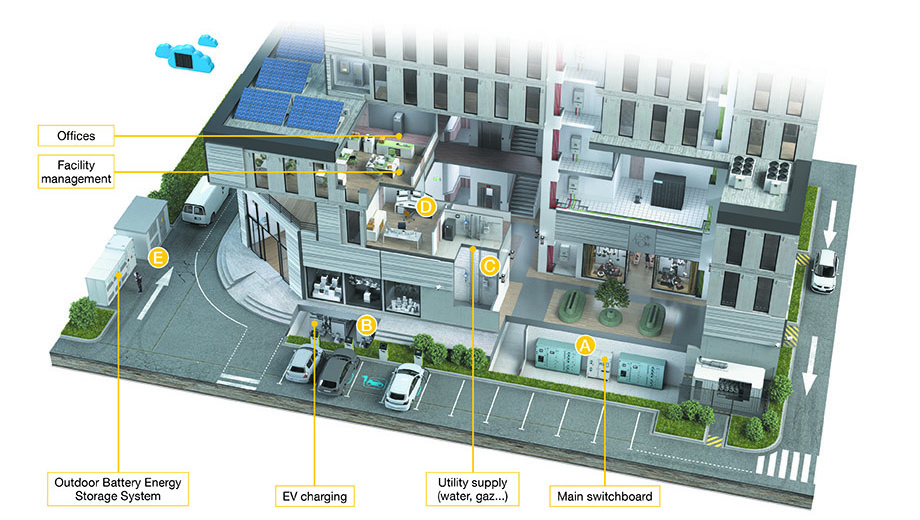
To address the sharp rise in demand driven by multiple EV chargers, Socomec first developed and validated a smart energy ecosystem at its own Innovation Centre. The objective was simple: guarantee reliable EV charging without increasing the site’s grid connection, while improving energy efficiency and reducing operating costs and carbon emissions.
By combining rooftop solar production with a Battery Energy Storage System (BESS), the Facility Manager can now rely on a stable, predictable and largely self-sufficient energy supply. The storage system provides extra power during peak hours, maintains charging performance even with a limited 80 kW grid capacity, and makes full use of locally generated solar energy. This directly reduces grid dependency, strengthens energy security and improves cost control.
All assets are connected to an IoT monitoring platform that automatically balances solar generation, storage and charging demand. For our facility manager, the result is an autonomous and resilient energy setup that requires virtually no manual intervention. This real-world deployment demonstrates how storage can transform EV charging into a high-performance, low-impact energy service starting within Socomec’s own building before being replicated for customers.
Energy efficient buildings FAQ
What is an energy efficient building?
Energy efficient building definition An energy efficient building is a facility designed and operated to minimise energy use while maintaining optimal comfort, safety and operational performance. Its efficiency is achieved through a combination of intrinsic qualities such as insulation, airtightness, high-performing HVAC systems and efficient lighting and operational factors including accurate metering, continuous monitoring and data-driven control strategies.
An energy efficient building reduces losses across the electrical distribution system, ensures the stable operation of critical loads, and adapts consumption to real needs rather than fixed schedules. It also integrates renewable energy sources where relevant and supports flexible use of energy through intelligent automation and storage.
Ultimately, an energy efficient building consumes less energy for the same level of service, demonstrates measurable performance improvements over time, and provides organisations with a more predictable, resilient and sustainable operating environment.
Why are energy efficient buildings important?
The European Commission states that “collectively, buildings in the EU are responsible for 40 % of our energy consumption …”. They deliver immediate and long-term value across financial, regulatory and operational dimensions.
For operators, reduced energy consumption directly lowers operating expenses and limits exposure to energy price volatility.
From a regulatory perspective, European directives such as the EPBD and EED require buildings to monitor and improve their performance, making efficiency a compliance requirement rather than an optional upgrade.
Energy efficient buildings also support ESG objectives and mandatory reporting frameworks such as CSRD, GRI and IFRS sustainability regulations. Their ability to provide reliable, auditable data strengthens transparency for investors, tenants and public authorities.
Beyond compliance and cost savings, efficient buildings reduce environmental impact, integrate renewables more effectively and deliver improved long-term performance and stronger asset value.
What are the main challenges of green buildings today?
Rising energy costs
Energy represents, on average, 30% of the total operating expenses of a commercial building. These are fixed and unavoidable costs, directly affecting competitiveness and financial sustainability. With rising prices and increased volatility, improving energy efficiency is becoming a decisive lever for stabilising budgets and strengthening energy security.
The growing influence of new technologies on building performance
Modern buildings integrate more advanced equipment than ever before: EV charging stations, heat pumps, IT rooms, automated systems and a growing number of IoT devices. These technologies within the buildings generate new, high-density loads, create peak consumption periods and put pressure on electrical infrastructures that were often designed decades earlier.
Industrial modernisation and its impact on energy needs
In manufacturing environments, the introduction of robots and automated processes significantly increases electricity consumption and associated emissions. Without targeted measurement and control, these loads create inefficiencies, resulting in additional costs and power quality issues that impact both production reliability and energy performance.
Compliance demands accelerating mandatory energy monitoring
Across Europe, regulations now impose mandatory audits, performance tracking and continuous improvement. Monitoring is no longer optional: it is essential to reveal hidden consumption, identify optimisation opportunities, manage peak loads and ensure long-term compliance with frameworks such as EPBD, EED or CSRD.
A new era for energy management in buildings
Buildings are becoming more complex, more electrified and more digital — and this evolution requires a new approach to energy performance. Reliable measurement, interoperable monitoring systems and proactive optimisation strategies are now essential to maintain performance, guarantee availability and manage long-term sustainability.
How do you make buildings more energy efficient?
Improving a building's energy efficiency starts with a detailed understanding of how energy is produced, distributed and consumed across the facility.
The first step is to implement accurate, compliant metering systems to measure electricity and key loads at the right granularity. Data becomes meaningful only when it flows seamlessly into supervisory platforms, which is why interoperability between metering systems and existing BMS or EMS is essential.
Monitoring converts data into operational intelligence. It is essential for multi-site portfolios, complex buildings and industrial environments. It is also the only way to meet EPBD and EED requirements and deadlines.
Benefits can resume like this:
- centralise energy performance data
- detect irregularities and drifts automatically
- validate savings and measure progress
- optimise consumption according to real-world usage
- ensure traceability for ESG reporting and compliance
- achieve interoperability between metering systems and existing BMS/EMS
- support contractual commitments for ESCOs
Facility Managers and ESCOs also rely on continuous monitoring to track progress, validate results and proactively prevent performance drifts.
Once measured, energy flows can be monitored through a supervision system that detects anomalies, identifies optimisation opportunities and supports decision-making.
Efficiency improvements often include reducing electrical losses, upgrading insulation, recalibrating HVAC systems, improving control strategies, and adjusting operation schedules to match occupancy patterns. Integrating renewable energy sources and storage can further reduce dependency on the grid and support peak load management.
Combined, these measures create a continuous improvement loop that reduces consumption, stabilises operations and strengthens long-term energy performance.
What makes a building energy efficient?
From an energy audit perspective, a building is considered energy efficient when its systems operate with minimal waste and its performance is both measurable and verifiable. It starts with the fundamentals: a stable and well-designed electrical distribution network that limits losses, maintains voltage quality and protects critical loads.
Intrinsic qualities are, however, only half of the equation.
An energy efficient building must also have a robust measurement infrastructure capable of accurately capturing consumption at circuit, equipment and zone level. Without reliable metering, it is impossible to confirm where energy is being used or lost. Equally important is the ability of metering systems to interoperate with the BMS or EMS, ensuring that data is consolidated, analysed and used to drive automatic or manual optimisation actions.
Finally, an efficient building is one that adapts. Its HVAC, lighting and technical systems are controlled according to real occupancy and operational needs, its loads are monitored continuously, and deviations are corrected quickly. When these elements are aligned efficient design, accurate measurement, interoperable control and proactive supervision the building achieves sustained, demonstrable energy performance.
How building energy works?
A building’s energy performance depends on the balance between its electrical distribution, its consumption patterns and its capacity to measure and control energy flows in real time. Four key components define this performance.
Electrical distribution and power quality
The way that energy is distributed inside the building directly affects losses, stability and equipment lifetime. A reliable architecture ensures the continuity of service for critical loads and prevents performance drifts.
Efficient energy use - consumption profiles and major loads
HVAC, lighting, industrial processes, IT systems, EV charging: each category behaves differently. Understanding when and how energy is used is essential when it comes to identifying the most effective optimisation levers.
Building envelope and operational conditions
Thermal performance, occupation patterns and environmental conditions influence heating, cooling and ventilation needs. These factors heavily impact the overall energy profile of the building.
Measurement, control and automation systems
Accurate metering and automated control are the backbone of energy efficiency. They enable transparency, comparison, regulatory compliance and ongoing optimisation.
Audit your electrical installation: the energy consumption checklist
A comprehensive electrical audit is the starting point for any improvement plan. It reveals hidden consumption, operational anomalies and opportunities for cost-effective optimisation.
Reducing the energy consumption of your buildings
The audit identifies inefficiencies, load imbalances, control failures and deviations that increase energy use. It supports the definition of a clear, prioritised action plan adapted to your operational realities.
Energy efficiency ratings for buildings
A building’s energy efficiency rating reflects how well it performs in terms of energy use, thermal comfort, operational control and overall environmental impact.
Beyond traditional consumption indicators, the Smart Readiness Indicator (SRI) introduces an additional layer by assessing how effectively a building can adapt its operation to occupants’ needs, react to external signals and optimise its energy flows.
A strong rating requires reliable metering, interoperable systems, and the capacity to automate responses across HVAC, lighting, storage and on-site generation. Together, these elements provide a measurable view of performance and demonstrate the building’s readiness to operate efficiently, flexibly and sustainably.
Optimising building self-consumption
Analysing energy flows helps determine the potential for renewable integration and the strategies required to maximise the use of locally produced energy, reduce grid dependency and stabilise the energy profile.